There are still landlords who write their rental contract by copying a template they found on a forum five years ago.
It works, until it doesn’t. A badly worded clause. A reference to a law that has since changed. A gap about what happens if the tenant wants to leave early. By the time the problem shows up, it’s too late to fix it.
We talked to dozens of landlords about this. Most didn’t know which clauses were actually mandatory in their region. They didn’t know the difference between what Spain’s LAU requires and what Portugal’s NRAU requires either. It wasn’t carelessness. Nobody had ever explained it to them clearly.
We also talked to lawyers who specialize in rental law. They explained why clause order matters, why exact legal language matters, and why a generic fill in the blanks form isn’t enough for a contract that can end up in court.
So we built a contract generator inside Abitamo.
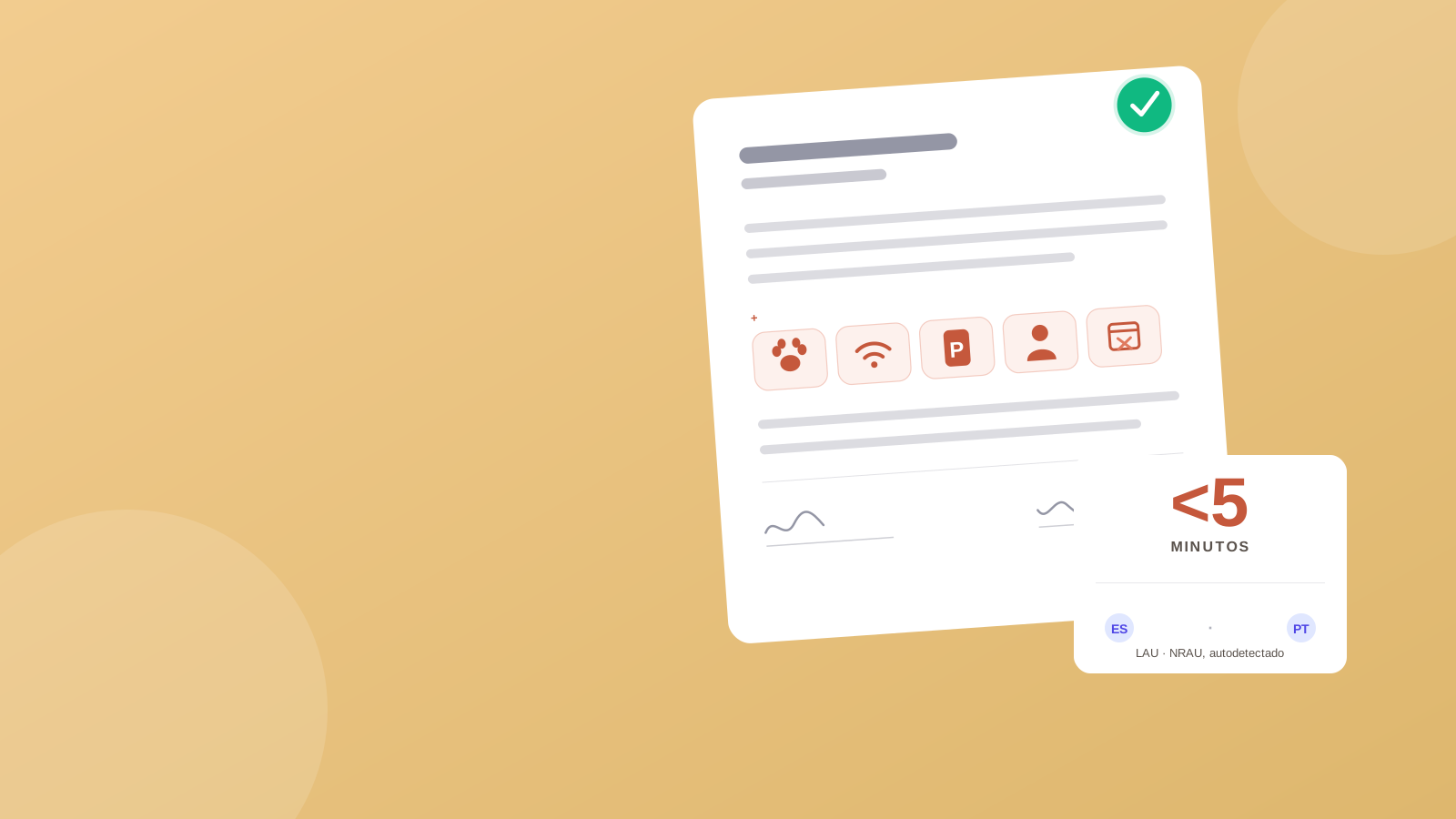
The landlord enters the rental conditions: rent, duration, deposit. The platform automatically detects whether the property is in Spain or Portugal based on the address, and applies the matching legal structure without the landlord needing to know which of the two laws applies to them.
On top of that, optional clauses can be added with one click: pets, remote work, parking, guarantor, early termination. Each clause has its own legal text, already written and validated, in Spanish and Portuguese. Nothing needs to be written from scratch.
The contract comes out as a PDF, ready for both parties to sign, in under five minutes from when you start filling it in.
It doesn’t replace a lawyer for complex cases. But for a standard rental, which is the vast majority, it closes the gap between what a landlord thinks they’re signing and what the document actually says.
It’s now available to every landlord on Abitamo, in Spain and Portugal.